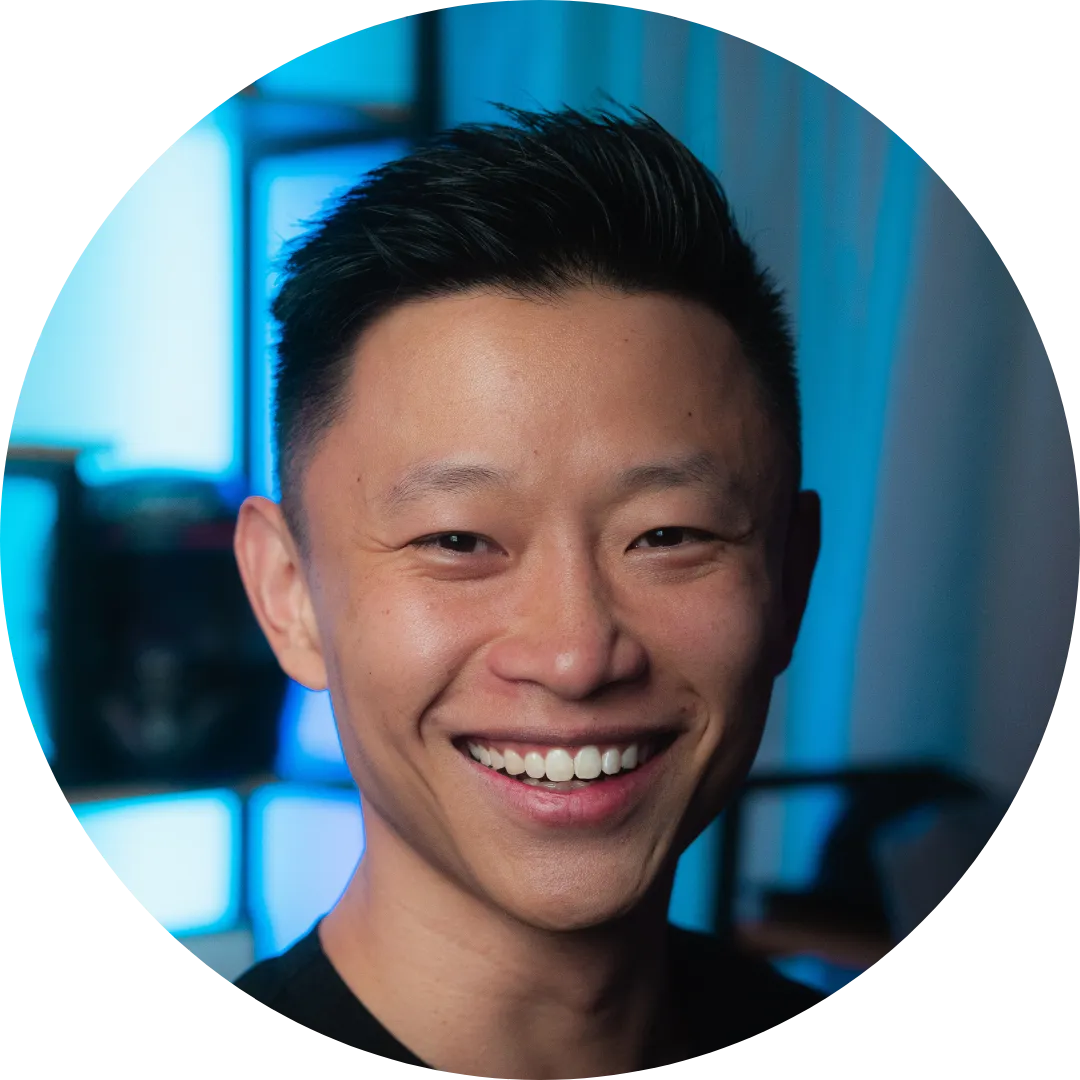
Hi, I'm Alvin.
At 33, I sold my Internet business for $30 million. I built Vodien from $0 to Singapore’s #1 hosting provider with 35,000 clients and a team of 150.
Then, I spent 2 years traveling full-time before writing Super Scaling, the book that shows business owners how to scale up.
But I realised quickly that success creates a different kind of challenge: staying sharp when nothing is forcing you to be.
These days, I train calisthenics—not for show, but to stay lean, mobile, and unlock skills that demand patience, strength, and control. It’s how I protect my edge.
I share systems, insights, and personal frameworks for staying disciplined and focused—even after you’ve “made it.” I occasionally coach business owners who are serious about building a life that scales with them, without burning out.
I’m the chairman of CLDY.com, a cutting-edge cloud hosting company, and an advisor to multiple businesses.